
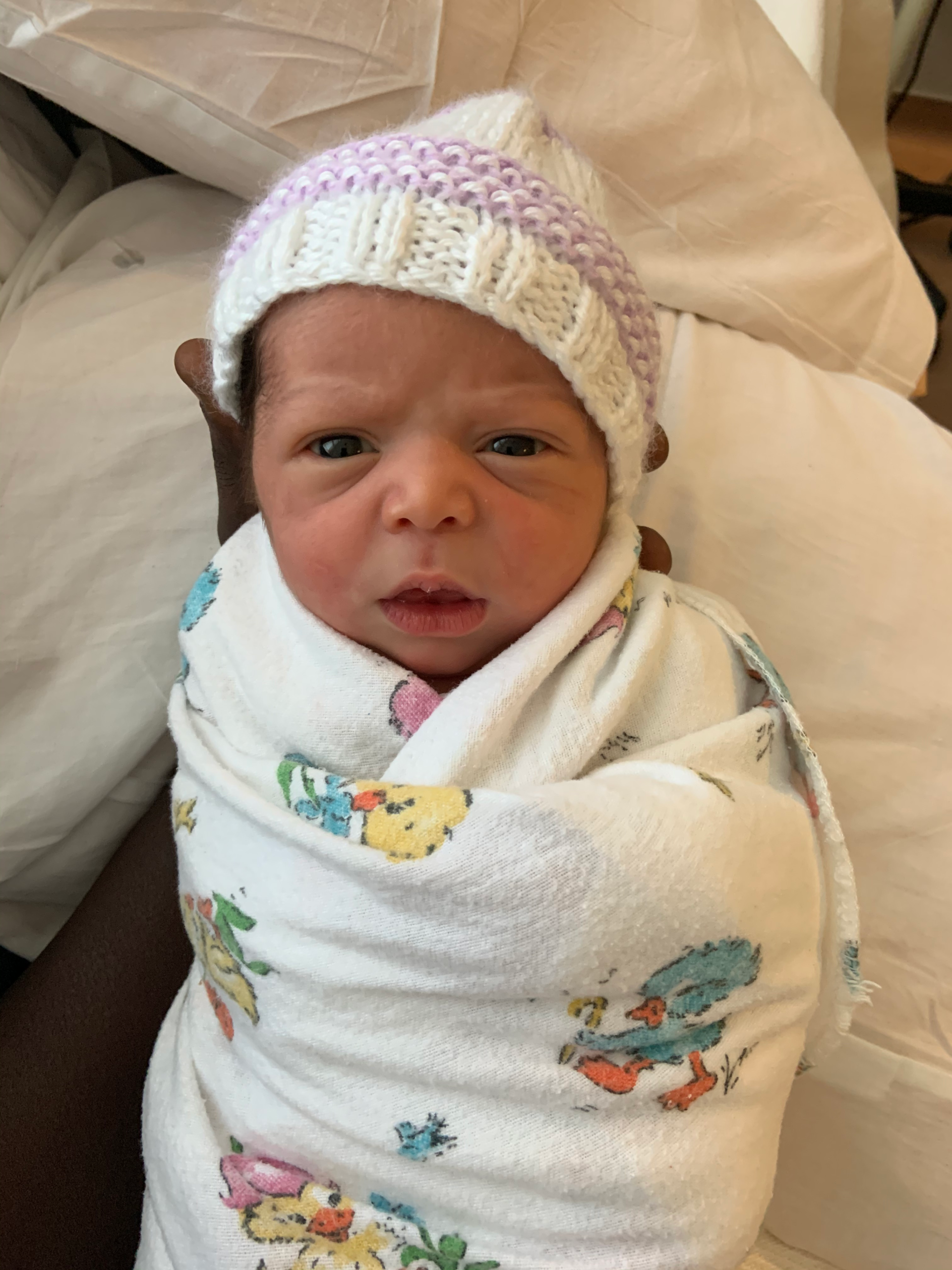
Biological Expectations vs. Modern Day Reality
When we think about swaddling, we need to understand it’s primary purpose (and what it is compensating for). A quick biology/anthropology lesson for you: humans are mammals and mammals are carrier species, meaning we are designed to carry our babies around with us throughout the day and night (unlike, say rabbits, who leave their babies in the nest underground all day and then return in the evening). Therefore, a baby’s biological expectation, meaning the environment and conditions under which their brains evolved, is to be carried, essentially at all times.
However, in our modern culture, we have many devices to put our babies in so that we can put them down in order to take care of competing demands (work, cleaning, cooking, going to the bathroom for Heaven’s sake). In earlier times, people lived more communally and so when a mother had to take care of competing demands, there was typically someone else to hold the baby. Now, most mothers and babies are more isolated within their houses. So what happens when a baby needs to be put down but they expect to be carried? Depending on temperament, they fuss or squirm or cry loudly. They’re seeking support, containment, boundaries, comfort. Enter the swaddle. By wrapping the infant supportively in a blanket, we are trying to meet this need for boundaries and comfort while not actually holding the baby.
What’s Wrong with the Swaddle?
The most voiced concern around the use of the swaddle is that it restricts the infant too much and makes it difficult for the infant to express, and subsequently integrate, primitive reflexes – primarily the moro (startle) reflex. Additionally, if a swaddle is very tight and the infant’s legs are extended in it, it can alter hip development leading to hip dysplasia. Nevertheless, swaddling has been used in various forms by societies for thousands of years. What’s interesting though is that even while swaddled, these baby’s were typically still being carried, as in the use of the cradle board in many indigenous tribes, shown below.
So Should You Swaddle or Not?
Here we are, back to the original question. Swaddling can be done safely, but shouldn’t be done all the time. Finding a balance between swaddling to support regulation and sleep, and giving your baby opportunities for free movement is the ideal. Some days this may mean more swaddling and some days this may mean more free movement so I wouldn’t be counting minutes each day (please don’t do that). But over the course of the week you can reflect on whether your baby has had plenty of opportunities for free movement or if you were swaddling more than may be necessary. Swaddling can be a nice support for baby in the first few days/weeks after birth as they transition to life outside the womb but would recommend phasing it out as baby ages out of the fourth trimester (ie first three months post birth).
And some infant’s actually don’t like to be swaddled, so if this is your baby – there isn’t anything wrong with them and don’t feel like you *need* to swaddle. Responding to your infant’s needs and supporting their unique temperament is always the right choice!
Considerations If Swaddling
If you are going to swaddle your baby, here are some things to keep in mind to continue to support overall development:
- use breathable fabrics to prevent over-heating
- tuck baby’s legs up (like froggy legs, or in an M shape) prior to wrapping the swaddle around them to support hip development
- allow for a little bit of free movement within the swaddle without it completely falling apart/coming undone.
Leave a Reply